

key concepts : ค้นหาหนังสือธรรมะ
หน้าหนังสือทั้งหมด
131
Eastern Han Buddhist Meditation and Daoism
Eastern Han Buddhist meditation and Daoism
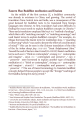
By the middle of the first century CE, a Buddhist community was already in existence in China, and growing. The arrival of translators from Central Asia and
By the first century CE, Buddhism had begun to take root in China, with translators arriving from Central Asia and India to convert texts into Chinese. They initially faced challenges in accurately co
52
Glossary of Key Buddhist Terms
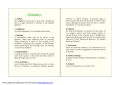
1. Arahant
Glossary
An enlightened being who is free from defilements
and no longer subjected to rebirths or has attained
Nibbana.
2. Bodhisatta
One who determines to be a Buddha in the future.
3. Dha
…dhisatta, a future Buddha, and Dhamma, referring both to ultimate truth and the Buddha's teachings. Key concepts like the Law of Kamma, which highlights the cause-and-effect nature of actions, and Nibbana, the ul…
218
General Index of Meditation and Mindfulness Concepts
Appendix C:
General Index
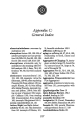
absent-mindedness: overcome by meditation 124
absorption: factors 123, 129-132; of neither-perception-nor-non-perception 193; fifth 131; first 85, 123, 129; fourth 129; sec
This general index compiles significant terms and concepts related to meditation and mindfulness practices. It includes terms like absent-mindedness, absorption, and aggregates of clinging, helpful fo
244
Understanding Buddhist Concepts: Nirvana and Absorptions
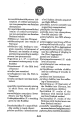
nevasāññāṇasāññāyatana (absorption of neither-perception-nor-non-perception: see formless absorptions) Nevasāññāsaññāyatanaabhūmi (realm of neither-perception- nor-non-perception: see formless Brahma
This text delves into various Buddhist concepts such as Nevasāññāṇasāññāyatana, the realm of neither-perception-nor-non-perception, Nibbāna, and other related terms. It discusses the Five Aggregates,
123
The Key to Success: Stopping the Mind
‘STOP’ IS THE KEY TO SUCCESS
Stopping the mind (from wandering) is more important than anything else. Whatever images that appear in your meditation, observe them impassively without engaging your min
Stopping the mind from wandering is crucial in meditation practice. The Great Master Phramongkholthepmuni asserts that the main goal is to achieve mental stillness, regardless of external distractions
8
Understanding Boonya and Kilesa in Buddhist Teachings
out how to remove it. We are trying to make this book as
neutral as possible, because when one comes to understand
the reality of these teachings and their applicability, you
will find that they are n
This text delves into the Pali Sanskrit terms Boonya and Kilesa, emphasizing their importance in Buddhist teachings. Boonya, described as self-generating pure energy, is crucial for understanding meri
19
Exploring Ancient Thai Meditation Manuscripts and Their Influence
of the original content of the palm-leaf manuscript is provided along with a translation into modern Thai and English. It consists of a correlation of body parts with the sublime attributes of the enl
This content discusses the significance of ancient Thai palm-leaf manuscripts, especially those of the bŏran kammaṭṭhān type, which correlate body parts with Buddha's attributes and suggest daily rec
45
The Importance of Moral Education in Teaching
Only with moral education can human beings eliminate conflicts, selfish and greedy tendencies and practices so that man may truly coexist with mindful and peaceful consideration for each other. This s
This text emphasizes the necessity of moral education to eliminate selfish and greedy tendencies, enabling peaceful coexistence. It discusses the role of various types of teachers—parents, school teac
238
Key Terms in Buddhist Philosophy
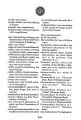
byādhi (see illness)
byādhi dukkhā (see the suffering of illness)
byāpāda (see vengefulness)
byāpādavitaka (see preoccupation with vengefulness)
cāgo (relinquishing, letting go: see characteristics of
This text delves into significant terms and concepts in Buddhist philosophy, addressing themes such as illness, suffering, relinquishing, and the foundations of success. Important terms like byādhi (i
160
Understanding Key Concepts in Buddhism
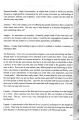
Samma Samadhi – Right Concentration. A refined state of mind in which you become focused in single-pointed concentration but with a sense of ecstatic joy and feelings of vast openness, softness, and b
This text outlines key Buddhist concepts that promote understanding and practice in meditation. Right Concentration, or Samma Samadhi, is described as a state of joyful focus. Samsara represents the c
37
Understanding the Ten Right Views in Buddhism
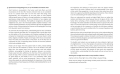
Spontaneous Arising Beings Exist, & 10) The Buddha and Arahants Exist
One’s Kamma is accumulated in the human world and affects our birth circumstances in the next life. However, between lives we are
This text discusses the influence of kamma on rebirth and the significance of recognizing spontaneous beings in the celestial realm. It highlights the Buddha as the supreme enlightened figure and Arah
56
Concepts in Buddhist Terminology
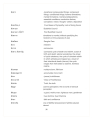
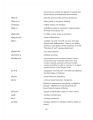
สังขาร (sankhara) compounded things; component things; conditioned things; kamma formations; mental formations; mental predispositions; essential conditions; conductive factors; conception; notion; th
Text discusses various Buddhist terms and concepts including 'สังขาร' (sankhara) which refers to conditioned things and mental formations. It details the concept of 'สังสาร' (samsara) as the cycle of
62
Understanding Buddhist Concepts: Key Terms and Definitions
phenomena; outside the sphere of natural law; supernatural (unexplainable phenomena)
อดิษฐาน past life; previous life; previous existence
อทินนนทาน taking what is not given; stealing
อทุกขมสุข neither
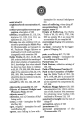
This text presents key Buddhist concepts such as 'อนัตตา' (non-self), emphasizing that there is no lasting essence, only the illusion of self that causes attachment. It discusses 'อนิจจตา' (impermanen
228
Understanding Nibbāna and the Noble Truths
natal wind 61
neighbourhood concentration 43,
neither-perception-nor-non-perception, absorption of 193
nibbāna, anupadisesa 21, 112, 114;
ayatana 21, 102, 112, 114; sa
upādisesa 21, 112, 113-4
Nirvana
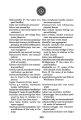
This text delves into key concepts in Buddhist philosophy, particularly Nibbāna and the Noble Truths. It discusses the interrelation o…
242
Glossary of Key Buddhist Terms
Kakusandha (P. the name of a käya samphassa (tactile contact: past Buddha) see sense-contact)
kalla (see embryonic precursor) käyasucarita (see wholesome
kāma (see sensuality) physical deeds)
kāmabhav
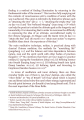
This text provides a glossary of key Buddhist terms, including definitions and insights into concepts such as Käyasucarita (wholesome physical deeds), Kāmabhava (sense-sphere existence), and various f
133
The Practice of Neidan: Achieving Longevity and Immortality
finding is a method of finding illumination by returning to the fundamental order of the cosmos65. This involves fully emptying out the contents of consciousness until a condition of union with the wa
…for achieving union with the cosmos through deep meditation and consciousness emptying. It examines key concepts such as attaining the One, the empty Way, and the Profound Merging to facilitate the journey toward…
136
The Influence of An Shigao on Meditation in Eastern Han China
Conclusion
In conclusion, in this paper I have reviewed An Shigao's career as a meditation master and a translator of Buddhist texts. Based on his translations of meditation sutras I have argued that
In this conclusion, I highlight An Shigao's significant contributions as a meditation master and translator of Buddhist texts. His translation of meditation sutras introduced mindfulness breathing med
143
Achieving Inner Peace Through Simple Reflection
Reflect easily and comfortably. Relax your eyelids, adjust your sitting position, relax your body, and create a feeling of stillness, tenderness and comfort. This is all you have to do. It is the only
This text emphasizes the simplicity of achieving inner peace through relaxation, mental stillness, and reflection. It encourages individuals to set aside life's pressures and distractions to focus on
17
The Transformative Power of Meditation
The key difference between a mind under the sway of thoughts and the mind that has come to standstill is that the latter consumes virtually no metabolic energy. When your mind starts to come to rest i
The key difference between an active and still mind is energy consumption—less energy leads to reduced thoughts and breath. As the mind quiets, inner brightness emerges, enabling objective understandi
95
พุทธศาสนาและกายภายใน
kayam) and draws that body out of this body. Just as one were to remove a reed from the
grass (mu"ja-) sheath, so too from the mind-made body is extracted a perfected mind-made
body.”
35 1
แปลว่า : ด้
เนื้อหาพูดถึงความสามารถในการสร้างกายด้วยจิตและอิทธิที่เกิดจากการเจริญสมาธิในพุทธศาสนา โดยแสดงให้เห็นถึงความเป็นจริงของกายภายในตามคำสอนของพระพุทธองค์ รวมถึงความหมายของการเคารพและบูชาพระรัตนตรัยและวิธีก